What Does Behavior Have To Do With My Dog’s Health?

Dogs don’t just express themselves through cute quirks. They are also communicating their physical and mental health. Our dogs’ behavior and health are deeply intertwined.

How Does My Dog’s Health Affect Behavior?

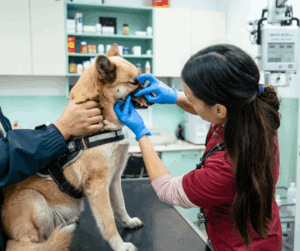
  • Pain, illness or injury often show up first as behavior changes. Pacing, panting, withdrawing, sleeping more, or suddenly acting aggressive are all signs. Dogs can’t tell us when their joints ache or their stomach hurts, so behavior is a key early warning sign.

  • Hormonal and metabolic shifts can modify energy levels, mood, reactivity.

  • Chronic stress, fear or anxiety has measurable physiological effects like higher cortisol, altered immune function. For example, dogs with fear/anxiety disorders are more likely to get skin disorders and other immune or hormonal issues. (Dreschel 2010)

Early intervention is key. Any sudden change in behavior, especially in an adult dog, should begin with a thorough veterinary assessment.

How Does My Dog’s Behavior Affect Health?

  • Persistent anxiety in dogs keeps stress systems activated. Over time, that is linked to poorer immune function, greater risk of infections, slower healing, and shortened lifespan. (Dreschel 2010)

  • Poor sleep or disrupted activity cycles and also increased disease risk, especially on older dogs. (Modino 2014)

  • Euthanasia related to canine behavior issues is one of the leading causes of death in young, otherwise healthy dogs.

The encouraging news is that behavior can change. In fact, change is the nature of behavior in dogs (and humans).

What Every Vet Should Know About Behavior Change.

In practice, vets should screen for behavioral signs just as they do for physical ones: ask owners about noises that scare the dog, separation behavior, aggression, changes in sleep or appetite. Early detection means interventions can start before behavior problems worsen. Baseline interventions include:

  • Positive reinforcement training (rewarding desired behavior) is supported by both behavior science and welfare research. It tends to produce more reliable, less stressful results than aversive or punishment-based methods. It improves trust between dog and human, reduces fear.

  • Classical conditioning (associating neutral or formerly negative stimuli with positive outcomes) helps reshape emotional responses—for example reducing fear of loud noises, strangers, or new environments.

  • Medical Treatment by a licensed veterinarian is part of many behavior change plans, even when there is not an underlying physical malady. This often the case with dogs who have significant anxiety, fear, or aggression.

Two Professions Working Together.

Qualified trainers and certified dog behavior consultants will flag behavior changes that require a veterinary visit. Medical intervention can go a long way in changing even the most troubling behavior issues. Similarly, excellent veterinarians will have behavior professional to whom they can refer for behavioral functional analysis and intervention.

Your dog’s behavior is one of the clearest windows into his health. Behavioral changes often precede obvious medical signs. At the same time, behavior itself can contribute to disease risk, reduced well‐being, and even shorter lifespan. For veterinarians (and for dog owners) addressing behavior proactively using evidence‐based methods like positive reinforcement operant and classical conditioning isn’t just about better manners. It’s about longer, healthier, happier lives.

Aggressive Dog Training – Keep it Light and Fun

Michael Baugh CDBC

I don’t remember who it was. A mentor many years ago said, “Aggressive behavior is just behavior.” It plays by the same rules of behavior just like anything else our dogs do.

It’s true. Behavior that is reinforced (think: behavior that works) grows stronger and comes back time and time again. But aggressive dog behavior is distinctly different because powerful emotions fuel it. Aggression works; barking and biting make things stop. And aggression is born of fear turned to anger. Emotionally charged behavior comes up fast and has a kick behind it.

We can replace aggressive behavior with cooperation, more benign tasks and patterns our dogs can follow. New people in our home, for example, can trigger calm and attentive behavior rather than barking and menacing. There’s training for that.

More importantly, though, we can quell the fear and anger behind the aggression. It’s not all about throwing treats at the dog, either. Yes, food plays a role. But there is something else even more powerful at play. You and me. How we behave around our dog when things get tense — that is critical.

Here are some facts. Dogs watch us. They understand our facial expressions. They. notice and respond to our body postures, vocal tones, and some words. Our dogs look to us for social feedback and support. They are social creatures. So are we. Dogs and we have co-evolved for thousands of years. This next part is really cool. Dogs frequently mirror our emotions (and we there’s, I suspect). Model calm behavior for your dog, and you are more likely to see a calmer dog. Act excited and talk in a cheerful voice, and see your dog get bouncy and excited.

I like to keep all training fun and easygoing because I know it helps my dog learn. How we show up in the moment matters. Take a few deep breaths before you start. Let your shoulders relax. Smile. This is especially important when we are working with a dog who has an emotional injury. Our fearful dog (and angry dog) needs a human teacher who is confident but calm, and most of all kind.

If you have a long-standing good relationship with your dog, you are already in an excellent position to succeed. Your relationship counts for more than you might think. You might use clicker training (a mechanical clicker or tongue click) to teach your dog new skills and patterns of behavior. Good. But don’t forget your most powerful advantage: yourself. Learning is not all about the clicks and treats. Leverage your relationship. Include yourself, your gentle words, your reassuring presence. It all counts.

Include play. Take a break for some tug or retrieve. Spend a moment or two between reps to enjoy some goofy time.

Share some joy. Soak some in for yourself. The days we have with our dog are passing quickly. Don’t let them go unlived. Aggressive behavior is serious business. The training to ease it doesn’t have to be.

Michael Baugh CDBC teaches dog training in Sedona AZ and Houston TX. He specializes in aggressive dog training.

What Dogs Teach Us That Could Save Humanity

Michael Baugh CDBC

I’ll cut to the chase; it’s empathy. Empathy is a relatively young word in the English language. Psychologists in the early twentieth century needed a translation for the German word, Einfühlung. which literally means “in-feeling.”

When we are learning with our dogs, we can lose touch with our empathy. Our work becomes mechanical, like a list of problems to solve. At worst, we find ourselves in conflict with our dogs. We don’t understand their motivations. We aren’t able to “feel into” their experience. The human mind hates gaps, so we fill the gaps with stories we create about our dogs. Stories about a perceived opponent are never nice. They are always problematic. We cast our dogs as stubborn, dominant, malicious, defective — less than the fictional idealization of what a dog should be. Empathy flies out the window, and we all end up suffering for it.

If all this feels familiar, it’s because humans are devolving into a species bereft of empathy. That’s a pretty stark statement of opinion. Hear me out. If we go with the earliest definition, empathy is existing “in feeling” with another being, “feeling into” their experience. It’s not “I know how you feel.” It’s certainly not feeling sorry for them. It’s about taking the time to be present and aware of another living being. Empathy is about sharing a feeling together, even if we don’t experience it in exactly the same way.

Learning each other’s stories nourishes empathy. Interestingly, humans as a species became less violent after the invention of the printing press. The hypothesis is that we became able to share our stories and empathy grew. People in faraway places read and learned about other people, their tales and fables, their fears and fantasies. We connected. That was the early dream of the internet, too — that it would connect us and feed our empathetic souls.

That didn’t happen. We are even more divided. And we read less. We chatter with our ingroup and demonize the outgroups, whoever they are. Empathy suffers. We suffer.

Sit. Down, Stay. Touch. We teach and learn with our dogs. Most of us by now know we can each even teach our dogs to relax on cue (we can learn to relax ourselves, as well). Why not empathy? Empathy is a learned skill. Our dogs can help us. They can teach us; we know this. They can save humanity (that may be bold, or not).

How do we feel about our dog? How do we feel with our dog? Now, feel into your dog. I love that phrase. Sit with your dog — feel. They’re angry sometimes. That concerns us. How does it feel to our dog? Feel in. Our dog is silly, cuddly and playful. They tremble at storms and loud voices. Can we feel that with them? Empathy is hard. It’s daring — risky. Grief is the price we pay for love. Queen Elizabeth said that. Empathy is our love in action, for our dogs, for our loved ones, for strangers from faraway places.

Here in Texas when the floodwaters come, and they come often, we all seem to embody empathy. We feel together. People help each other. No one asks who voted for whom. We are all just people. Empathy seems to recede, though, when the land dries.

How do we keep empathy, grow it, nourish it?

Practice. Practice with your dog. Cal me crazy, but practice. We learn empathy through experience. Feel it. Feel into it. Your dog will think it’s cool, trust me. Sit quietly with your dog’s being. Play, teach, and learn. Ride the emotions and pay attention. Be present. I dare you.

Then, take what you’ve gained and share it with a fellow human. Open your heart and feel deeply with a loved one. And then (breathe) think well of others — even ones you may not know. Move into the feeling. Listen presently. Trust your open heart. Like me, this is a human being. It’s okay to be afraid. Sit with that feeling together.

I double-dog dare you.


Michael Baugh teaches aggressive dog training in Houston, Tx.