
What Does Behavior Have To Do With My Dog’s Health?

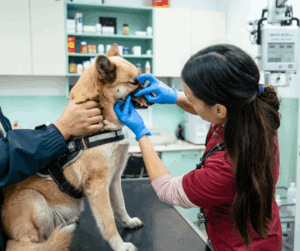
Dogs don’t just express themselves through cute quirks. They are also communicating their physical and mental health. Our dogs’ behavior and health are deeply intertwined.
How Does My Dog’s Health Affect Behavior?

  • Pain, illness or injury often show up first as behavior changes. Pacing, panting, withdrawing, sleeping more, or suddenly acting aggressive are all signs. Dogs can’t tell us when their joints ache or their stomach hurts, so behavior is a key early warning sign.

  • Hormonal and metabolic shifts can modify energy levels, mood, reactivity.

  • Chronic stress, fear or anxiety has measurable physiological effects like higher cortisol, altered immune function. For example, dogs with fear/anxiety disorders are more likely to get skin disorders and other immune or hormonal issues. (Dreschel 2010)

Early intervention is key. Any sudden change in behavior, especially in an adult dog, should begin with a thorough veterinary assessment.

How Does My Dog’s Behavior Affect Health?

  • Persistent anxiety in dogs keeps stress systems activated. Over time, that is linked to poorer immune function, greater risk of infections, slower healing, and shortened lifespan. (Dreschel 2010)

  • Poor sleep or disrupted activity cycles and also increased disease risk, especially on older dogs. (Modino 2014)

  • Euthanasia related to canine behavior issues is one of the leading causes of death in young, otherwise healthy dogs.

The encouraging news is that behavior can change. In fact, change is the nature of behavior in dogs (and humans).

What Every Vet Should Know About Behavior Change.

In practice, vets should screen for behavioral signs just as they do for physical ones: ask owners about noises that scare the dog, separation behavior, aggression, changes in sleep or appetite. Early detection means interventions can start before behavior problems worsen. Baseline interventions include:

  • Positive reinforcement training (rewarding desired behavior) is supported by both behavior science and welfare research. It tends to produce more reliable, less stressful results than aversive or punishment-based methods. It improves trust between dog and human, reduces fear.

  • Classical conditioning (associating neutral or formerly negative stimuli with positive outcomes) helps reshape emotional responses—for example reducing fear of loud noises, strangers, or new environments.

  • Medical Treatment by a licensed veterinarian is part of many behavior change plans, even when there is not an underlying physical malady. This often the case with dogs who have significant anxiety, fear, or aggression.

Two Professions Working Together.

Qualified trainers and certified dog behavior consultants will flag behavior changes that require a veterinary visit. Medical intervention can go a long way in changing even the most troubling behavior issues. Similarly, excellent veterinarians will have behavior professional to whom they can refer for behavioral functional analysis and intervention.

Your dog’s behavior is one of the clearest windows into his health. Behavioral changes often precede obvious medical signs. At the same time, behavior itself can contribute to disease risk, reduced well‐being, and even shorter lifespan. For veterinarians (and for dog owners) addressing behavior proactively using evidence‐based methods like positive reinforcement operant and classical conditioning isn’t just about better manners. It’s about longer, healthier, happier lives.
Aggressive Dog Training – Keep it Light and Fun

Michael Baugh CDBC

I don’t remember who it was. A mentor many years ago said, “Aggressive behavior is just behavior.” It plays by the same rules of behavior just like anything else our dogs do.

It’s true. Behavior that is reinforced (think: behavior that works) grows stronger and comes back time and time again. But aggressive dog behavior is distinctly different because powerful emotions fuel it. Aggression works; barking and biting make things stop. And aggression is born of fear turned to anger. Emotionally charged behavior comes up fast and has a kick behind it.

We can replace aggressive behavior with cooperation, more benign tasks and patterns our dogs can follow. New people in our home, for example, can trigger calm and attentive behavior rather than barking and menacing. There’s training for that.

More importantly, though, we can quell the fear and anger behind the aggression. It’s not all about throwing treats at the dog, either. Yes, food plays a role. But there is something else even more powerful at play. You and me. How we behave around our dog when things get tense — that is critical.

Here are some facts. Dogs watch us. They understand our facial expressions. They. notice and respond to our body postures, vocal tones, and some words. Our dogs look to us for social feedback and support. They are social creatures. So are we. Dogs and we have co-evolved for thousands of years. This next part is really cool. Dogs frequently mirror our emotions (and we there’s, I suspect). Model calm behavior for your dog, and you are more likely to see a calmer dog. Act excited and talk in a cheerful voice, and see your dog get bouncy and excited.

I like to keep all training fun and easygoing because I know it helps my dog learn. How we show up in the moment matters. Take a few deep breaths before you start. Let your shoulders relax. Smile. This is especially important when we are working with a dog who has an emotional injury. Our fearful dog (and angry dog) needs a human teacher who is confident but calm, and most of all kind.

If you have a long-standing good relationship with your dog, you are already in an excellent position to succeed. Your relationship counts for more than you might think. You might use clicker training (a mechanical clicker or tongue click) to teach your dog new skills and patterns of behavior. Good. But don’t forget your most powerful advantage: yourself. Learning is not all about the clicks and treats. Leverage your relationship. Include yourself, your gentle words, your reassuring presence. It all counts.

Include play. Take a break for some tug or retrieve. Spend a moment or two between reps to enjoy some goofy time.

Share some joy. Soak some in for yourself. The days we have with our dog are passing quickly. Don’t let them go unlived. Aggressive behavior is serious business. The training to ease it doesn’t have to be.

Michael Baugh CDBC teaches dog training in Sedona AZ and Houston TX. He specializes in aggressive dog training.

Are Dogs in a New Phase of Evolution?


Michael Baugh CDBC

You may have seen the headline: “Dogs are Entering a New Phase of Evolution.” The hoopla is over the discovery that some dogs have a genetic variant that makes their oxytocin receptors more sensitive. Linköping University in Sweden did the study. Dogs given a nasal spray of the hormone oxytocin were more likely to seek help from their owners in solving a puzzle. Oxytocin facilitates social bonding, among other things. It’s often misnamed “the love hormone.” The implication: dogs with enhanced oxytocin receptors seek help from their humans, suggesting an evolutionary shift towards dog-human bonding. I can see how folks might make that connection. But it’s a small, preliminary study. Calling this a new phase of evolution might be a stretch. We will see.

One thing we know for sure. Human expectations of dogs have changed. We changed the playing field for dogs a lot.

As recently as the 1990s, most dogs in America lived outside. They caught rats and scared off potential intruders (and neighbor kids and postal carriers). Rural dogs guarded and herded livestock. If a dog slept in your bed, you’d likely wake up with fleas and ticks on you.

When Dr. Ian Dunbar founded the Association of Pet Dog Trainers in 1993, he called pet dog training a specialty. (APDT later re-named itself The Association of Professional Dog Trainers). Dunbar was ahead of the curve. So was John Katz when he wrote his prescient book, The New Work of Dogs, in 2004. “Dog training was little known and little needed, since most dogs merely wandered their neighborhoods and were seldom walked on leashes.” Katz predicted the shift in how dogs would soon fit into the human condition. It had already begun, in fact. Leave the rats and the sheep outside. Invite the dogs in. They were family. Emotional surrogates. Our friends, counselors and confidants.

Katz’s worst predictions also came true. The world changed quickly, and it’s still changing. Human psychology researchers suspect (I think rightly) that we’ve changed technology and social pressures faster than we can keep up. Humans have outpaced our own evolution. We’ve become divisive and isolated. The resulting pressure on our dogs was inevitable. Our powerful hunters and herders now wear clothes. Dogs who retrieved fowl and repelled interlopers are our emotional caregivers. They used to be in the background, outside. Now they are the center of our worlds. It might be too much for them. The evolutionary shift isn’t coming fast enough – for them or us.

An old mentor once said dog breeders could put aggressive dog trainers like me out of business if they started selecting for temperament instead of looks. It’s true. After all, we bred dogs for hunting and herding and guarding. Plus fear, the fuel of aggressive behavior, is heritable in dogs. Why not breed for nicer dogs who can fit into our families better? Fair enough. Breeders have been doing their part. We may not be in a new era of dog evolution. It’s likely we are seeing the results of selective breeding for calmer, more biddable dogs. That is good news, no matter what you call it.

But breeding is not enough.

I started my dog training career in 1999. For well over two decades, my work has been about helping dogs and people understand each other better. It’s been less about militaristic obedience and more about cooperation. Let’s be honest. We are living in a stressful time. The human condition is beautiful but also hard. Teaching a dog how to thrive in our complicated human world can be equally beautiful, and also hard.

We have a long history, we humans and dogs. Fossil records show we have co-evolved for the past 14,000 years. We’ve been in this together. We still are. Oxytocin plays a role and probably has for a long time. If you and your dog spent a few minutes looking lovingly at each other (I recommend it), you would both have increased levels of oxytocin in your bloodstream compared to the baseline levels before you started ogling. And if some dogs are developing better receptors, so be it.

But more oxytocin alone may not be the magic formula. Oxytocin does many things in human bodies. It assists with uterine contractions (the childbirth kind and the monthly kind). It’s also responsible for lactation in new mothers. Oxytocin shows up in men too, enhancing connections with mates and offspring. Like most good things, though, there are side effects. Oxytocin apparently causes in-group bias and increased agitation and aggression toward out-group members. What does that mean? People (and presumably dogs) juiced up on oxytocin may groove on their family and friends, but may also be more likely to shun or attack those who are outside their primary group. Trust me, your dog trainer who specializes in aggression is not excited about that part.

What do we do with all this information? My Latin teacher in high school would say, “jot it down in your gee whiz notebook.” It’s fun stuff, but it won’t show up on any test. Hormones and other neurochemicals are a fascinating, ever-changing soup. We know a little about it. And there is so much more to learn. They definitely play a role in behavior change and a good board certified veterinary behaviorist can help. Genetics plays a role too. Genes are not written in indelible ink. We are learning more about that every day. The environment activates many genes and leaves others quiet. There’s so much more to learn about the genetics of behavior. We’ll uncover that information in time, I’m sure.

Evolution is the slow and steady work of genes. The really good variations get passed on when the organism reproduces. Adaptation results from trial and success. So does learning. It’s the result of trial and success. And, oh my, are our dogs exceptionally developed learners. Learning: dogs have that one nailed.

That’s the true work of dogs. Isn’t it? Learning new skills, new variations on a theme, new ways to live with us. (Oh, we are so unpredicable, we humans). And what about us? What’s the new work of humans? Breathe. Stay present. Be kind to ourselves and others. Those come to mind. Then, ogle at your dog and show him how to be a champ at life with you and the crazy world around him.


Michael Baugh specializes in Aggressive Dog Training in Sedona, Arizona and Houston, Texas.