Michael Baugh CDBC CPDT-KSA
Yes, good dog training is mostly about teaching the human. And, there’s absolutely no shame in that.
All the stuff our dogs do, their behavior, is largely influenced by their external environment. Some would say behavior is driven exclusively by the dog’s external environment. Sure, our dogs have internal experiences, like pain, hunger, illness, etc. and those play a role in behavior.
 Still, our dog’s external experience is key. Dogs walk, run, lie down, chew, poop, pee, bark, and jump – all in their in the physical world, our homes and neighborhoods. How the environment responds to those behaviors determines if the dog keeps doing that stuff, and if so where, when, and how. Here’s one example. My dog lies down and stretches out. He’s learned over time that areas in which the sun is shining provide him warmth. He seeks those areas out more often. The environment (angle of the sun) has influenced when and where he lies down. The world is always teaching our dogs which behavior is reinforcing and which is punishing. Right?
What does all this have to do with us humans? Everything. No doubt we are the most important players in our dogs’ environment. Every day we determine when they eat, where they sleep, when they are let inside or outside, what opportunities they have for social interaction (with humans and nonhumans), and how they live their physical, mental and emotional lives in general. Nothing influences our dog’s behavior more than we humans do. Nothing.
Of course our dogs think (and feel). They may not muse and contemplate. Those processes involve verbal language. But our dogs are expert observers, constantly assessing the world around them for potential danger or sources of pleasure. Our job is to line up the feedback we give our dogs (when they eat and when they have access to other pleasurable activities) with what they are doing. That’s called reinforcement. Our dogs remember, and memories of reinforcement (and punishment) guide their behavior. We call that learning. Harnessing this process is the most natural way to train dogs. It’s the natural way all animals learn.
We humans are the most important player in our dog’s world. But, there’s a down side to this. Whether we intend it or not our dogs are always learning from us. The only question is are they learning what we want them to or are our actions teaching them the wrong lesson? Here’s my short list of stuff we should avoid doing around our dogs (this is not an exhaustive list).
- Yelling, Hitting, Choking, Shocking: teaches the dog that we are dangerous – may lead to them avoiding us or aggressing against us.
- Lying to our dog with our actions (being inconsistent): teaches the dog that we are an unreliable actor in their environment – will lead to unreliable/ inconsistent behavior from the dog.
- Misusing food / bribing / giving food at the wrong time: teaches the dog that they get food for doing wrong things (like begging at the table) – can lead to the dog only responding to us when we have food.
Noticing the mistakes we’ve made with our dogs is actually a good thing. Don’t ever let anyone shame you about the choices you’ve made. Just use the information to make better choices from here on out. Our dogs can learn. But, so can we. We learn which of our actions work and don’t work just like our dogs (learning by doing). We also learn by watching others model behavior (imitation), by listening, and by reading. So we’re actually in really good shape. We can learn to:
- Be better observers of our dogs – notice when our dog gets stuff right and how to reinforce behavior we want him to do more.
- Set our dogs up to succeed – creating opportunities to do the things we want them to do more and then providing reinforcement that strengthen those good choices.
- Put those great behaviors “on cue” – teaching our dogs to do what we want when we ask it.
- Be consistent – making training a lifestyle of good behavior and reinforcing experiences throughout the day and not just when we have a treat bag on.
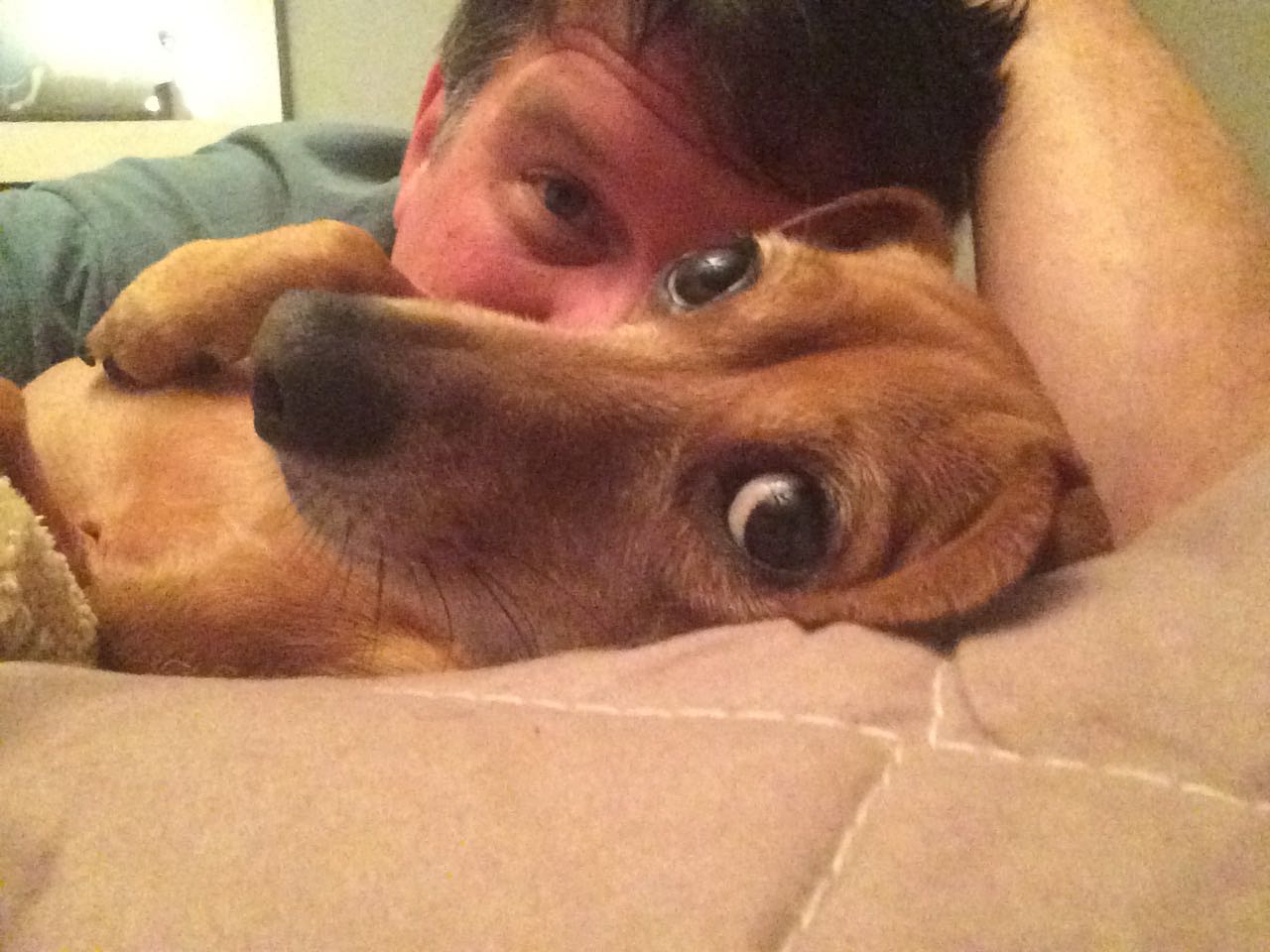
 Successful dog training hinges on our human behavior. That’s big, maybe even a little scary. But it’s empowering too. I call it human-centered dog training – teaching humans how to teach their dogs. It’s a two species process – always. That’s a lot of brainpower and lots of heart working toward changing behavior, even reversing the most troubling behavior problems. We are learning together with our dogs, learning cooperation – humans and dogs not in conflict but on the same team – making choices with each other – finding better ways to live with each other – looking together for that warm spot in the sun.
Dog Trainer Michael Baugh specializes in behavior related to fear and aggressive dog behavior in Houston, TX.

 3. Calm from within. Some dogs are inconsolable when it comes to the sound of fireworks. These are also the dogs who often have thunder phobia, too. Your vet can prescribe short acting anti anxiety medication that can definitely help. My dog, Stewie, takes medication for thunderstorms and fireworks. It has no side effects and it helps him a great deal.